
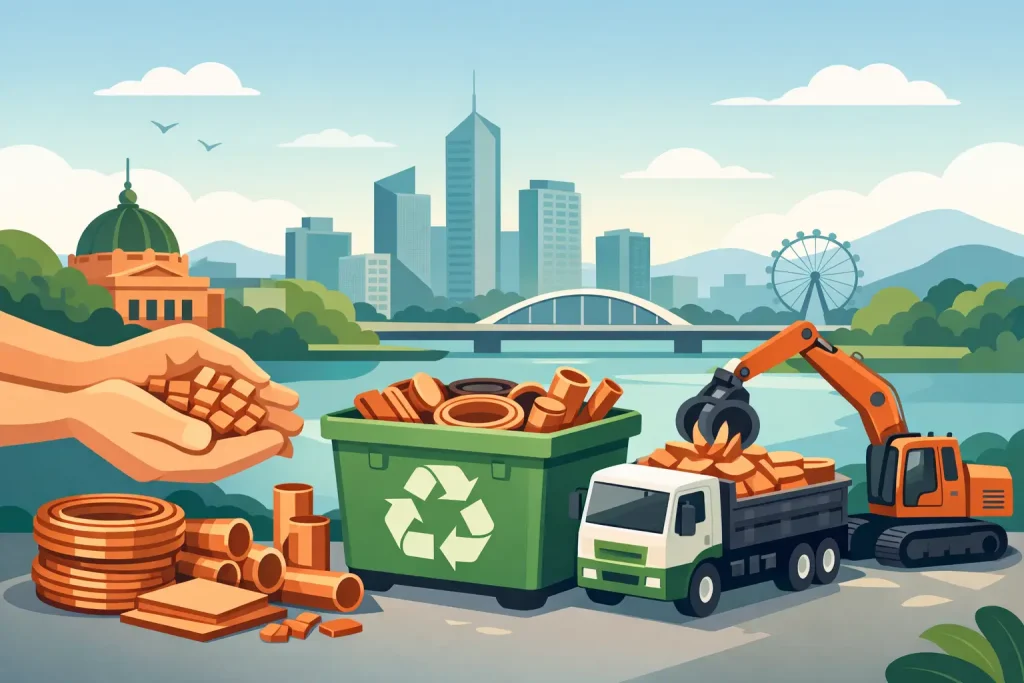
Copper has a habit of piling up where real work gets done – in sheds, workshops, renovation sites, factory corners and the back of the ute. If you are wondering about the best way to dispose of copper, the short answer is simple: recycle it through a licensed scrap metal recycler that offers fair pricing, quick collection and responsible processing.
That matters whether you have a few lengths of old pipe from a bathroom renovation or regular offcuts from electrical, plumbing or demolition work. Throwing copper into general rubbish is a waste of value, and in many cases it creates avoidable environmental harm. The smarter option is to move it into the recycling stream properly and get paid for it where possible.
Why recycling is the best way to dispose of copper
Copper is one of the most recyclable metals in use. It can be recovered, processed and reused without losing its core properties, which makes it far too valuable to send to landfill. When copper is recycled, less raw material needs to be mined and processed, and that reduces energy use and environmental impact.
For households, that means old hot water system pipes, wiring, roofing offcuts and leftover renovation material should not sit around rusting into a mixed pile. For tradies and businesses, it means scrap copper is not just waste – it is recoverable value.
There is also the practical side. Stockpiled scrap takes up space, creates trip hazards and clutters active work areas. On commercial sites, poor disposal habits can slow down jobs and make cleanup harder than it needs to be. A straightforward recycling service solves that quickly.
What not to do with scrap copper
The worst option is to put copper in the general rubbish bin or skip without checking where it will end up. Even if that seems easier in the moment, it usually means the metal is lost to landfill rather than recovered for reuse. That is bad for the environment and bad for your pocket.
Burning insulation off copper wire is another mistake. Some people do this to try to increase scrap value, but it is unsafe, environmentally damaging and can create legal issues. The better approach is to keep the material as clean as you reasonably can and let a proper recycler assess it.
It is also worth avoiding unverified buyers who cannot clearly explain their process, pricing or collection terms. If you are handing over a large amount of copper, especially from a business, trust and compliance matter just as much as price.
The best way to dispose of copper depends on the type
Not all copper scrap is the same, and that affects how it should be handled and what value you can expect. Clean bright copper, such as uncoated wire free from fittings and insulation, is usually more valuable than mixed or dirty material. Copper pipe can also be worth good money, particularly when it is free of attachments and excessive contamination.
Then there is mixed copper, such as old plumbing assemblies, electrical cable, motor windings or demolition scrap. These can still be recycled, but the handling is different because they may contain solder, brass, plastic, steel or other materials.
That is why the best way to dispose of copper is not always about sorting every last piece yourself. If you know the material type, separate it where practical. If not, a reliable recycler can inspect it and guide you on the most sensible option. The goal is to make disposal easy without slowing down your day.
How to prepare copper for recycling
You do not need to overcomplicate it. In most cases, basic preparation is enough.
Keep copper separate from general rubbish and from non-metal waste. If you can, split obvious categories such as pipe, wire and mixed scrap into separate piles or tubs. Remove easy-to-detach items like plastic packaging, timber or loose rubbish. If the copper is wet, muddy or buried under site waste, a quick clean-up helps, but there is no need to spend hours trying to make it perfect.
For tradies and commercial operators, storing scrap in one consistent area makes a big difference. It keeps the site tidier and makes collection faster when you are ready to move it on. For homeowners, even a small box or corner in the garage can stop valuable metal from being accidentally thrown out.
If the load is bulky or awkward, do not force transport arrangements that waste time or create risk. Collection is often the simplest solution.
Best way to dispose of copper for households
For most households, the main issue is not quantity. It is convenience. You might only have old tapware, copper pipe, a few electrical cables or leftover materials from a renovation, but that does not mean they belong in landfill.
A local recycler is usually the best option because you can get clear advice quickly and avoid guessing what goes where. If there is enough material to justify pickup, collection saves the hassle of loading the car and driving around Melbourne trying to find the right yard.
The other benefit is clarity. Many people are not sure whether their scrap is pure copper, brass or mixed metal. A good recycler will tell you what you have and how it can be processed, without making the whole job feel harder than it needs to be.
Best way to dispose of copper for tradies and businesses
If you work in plumbing, electrical, construction, demolition or manufacturing, copper disposal should be treated like part of the job, not an afterthought. Regular scrap volumes can build quickly, especially when projects are running back-to-back.
The best setup is usually a recycler that can collect directly from your site, workshop or yard. That cuts out double handling, reduces downtime and helps keep your crew focused on paid work instead of making trips to dispose of scrap. It also creates a more reliable system for tracking material and recovering value over time.
For recurring generators of copper scrap, consistency matters. Fair pricing, prompt pickup and straightforward communication are worth more than chasing an extra small margin from a buyer who is hard to deal with. Fast service and dependable collection often save more in labour and time than people realise.
Why licensed recycling matters
Copper has value, and wherever value exists, trust becomes important. Using a licensed and insured recycler gives you confidence that the material is being handled properly and in line with relevant requirements.
That matters for businesses that need a professional disposal pathway, but it also matters for household customers who simply want to know their scrap is not being mishandled. Responsible recycling supports environmental outcomes and helps keep the local industry accountable.
It also reduces the risk of confusion around what can be accepted, how loads are assessed and what happens once material leaves your property. A clear process makes everything easier.
Getting fair value without wasting time
Everyone wants a good return on scrap copper, but the highest advertised number is not always the best result in practice. The real value comes from the combination of fair rates, honest grading and a service that does not eat into your day.
If you spend hours sorting, loading, driving and waiting just to move a moderate amount of copper, the payout can quickly feel less impressive. That is why many Melbourne customers prefer disposal options that combine competitive pricing with collection.
Melbourne Copper Recycler works with that practical mindset. The service is built around quick quotes, fast pickup and responsible recycling, so customers can clear copper scrap without the usual runaround.
Choosing the best way to dispose of copper in Melbourne
Melbourne jobs move quickly, and disposal needs to keep up. Whether you are clearing out a home, finishing a fit-out, stripping out old plumbing or managing workshop scrap, the best way to dispose of copper is the one that is safe, compliant, convenient and worth your effort.
That usually means three things. Keep the copper out of general waste, separate it where practical, and hand it over to a trusted local recycler that can either collect it or process it properly. If you do that, you protect the environment, free up space and recover value from material that would otherwise be wasted.
Copper should not be treated like rubbish. It is a reusable resource, and disposing of it properly is one of the easiest wins for both your worksite and the wider community.
If you have copper sitting around and putting it off because the job feels annoying, that is usually the sign to make it simple and get it moved.