
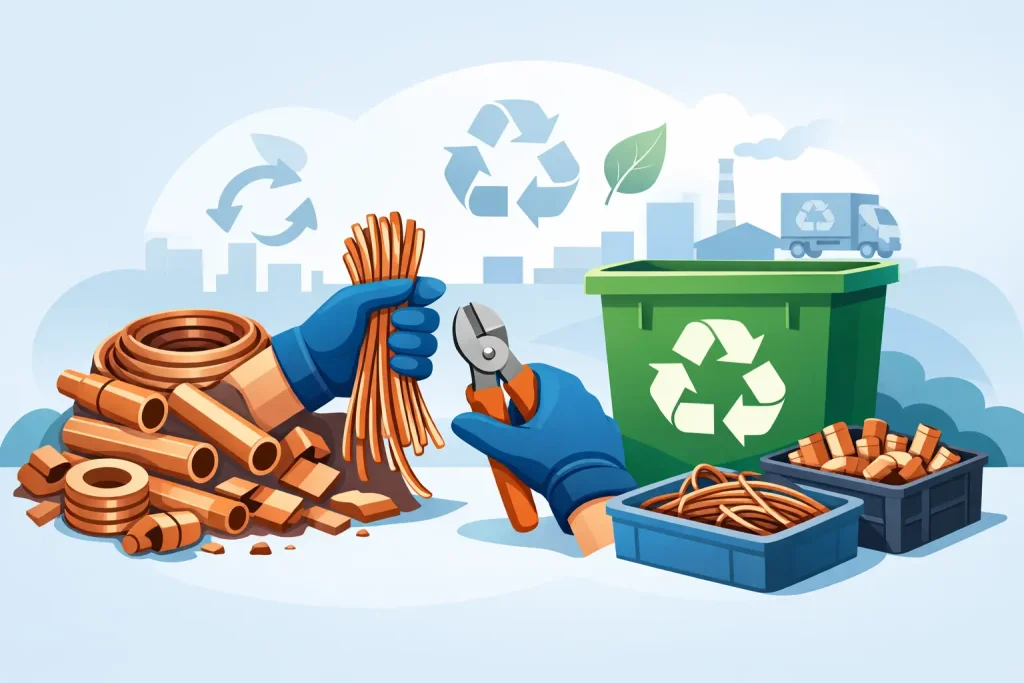
That pile of offcuts in the shed, the old hot water unit out the back, or the stripped cable left over from a fit-out all have one thing in common – they can hold real value if you know how to recycle scrap copper properly. For Melbourne households, tradies and businesses, the goal is usually simple: clear the mess, get a fair return, and make sure the material is handled responsibly.
Why scrap copper is worth recycling
Copper is one of the more valuable recyclable metals, which is why it turns up in everything from electrical wiring and plumbing pipe to motors, appliances and roofing materials. Unlike general rubbish, copper does not belong in landfill. It can be recovered, processed and put back into use, which reduces waste and cuts the need for newly mined material.
That matters on both a practical and environmental level. If you are a sparky, plumber, builder or demo operator, copper scrap builds up fast and takes up space on site or in the workshop. If you are a homeowner, it often sits around far longer than it should because you are not sure what to do with it. Recycling solves both problems when the process is straightforward.
How to recycle scrap copper without wasting time
The easiest way to think about it is in stages. First, identify what you have. Then separate it as best you can, keep it dry and safe, and arrange collection or drop-off with a recycler that offers clear pricing and compliant handling.
You do not need to become a metal grading expert to recycle copper well, but a bit of preparation can make a difference. Clean, sorted copper is generally easier to assess and can attract stronger prices than mixed loads full of contamination.
Start by identifying common copper scrap
A lot of copper comes in through everyday jobs and clean-outs. Common examples include electrical cable, copper pipe, old plumbing fittings, roof flashing, air con components, motors, hot water services and copper from renovation or demolition work.
Some loads are obvious. Bright copper pipe and stripped wire are easy to recognise. Other items are mixed with plastic, steel, brass or insulation, which can affect how the material is classified and priced. If you are unsure, keep the load aside rather than throwing it in with general metal or rubbish.
Separate clean copper from mixed material
This is where many people either save money or leave it on the table. Clean copper usually means copper with minimal attachments, coatings or contamination. Mixed copper can include insulated wire, painted material, soldered fittings or items with other metals still attached.
You do not need to spend hours over-processing low-volume scrap, especially if your time is better spent on the tools. But if you have a recurring volume, separating obvious categories makes collection and quoting faster. It also gives you a clearer idea of what your scrap is actually worth.
As a rule, try to keep these apart:
- clean copper pipe and tubing
- stripped copper wire
- insulated copper cable
- copper tanks, cylinders or mixed items
- brass fittings if they are in the same load
If the material is dirty, wet, full of debris or mixed with building waste, expect that to affect the final assessment. Fair pricing depends on what is really there, not just what the load looks like at a glance.
What affects the price of scrap copper
People often ask for a simple rate, but copper pricing depends on grade, quantity and condition. A small tub of mixed offcuts is different from a clean commercial load ready for pickup. Market conditions also move, so yesterday’s number may not apply today.
Clean, high-grade copper generally returns more than insulated or heavily attached material because it needs less processing. Volume matters too. A one-off domestic load and a regular trade collection may be handled differently, especially when collection logistics are involved.
The main thing is transparency. You want a recycler who can explain what they are buying, how the material is assessed and what happens next. That is far better than guessing or settling for a vague cash offer from someone who cannot show they operate properly.
Storage and handling before collection
If you are holding copper for a few days or weeks, basic storage helps protect both value and safety. Keep it off the ground where possible, out of standing water, and away from general rubbish. This is especially useful for sites and workshops where metal can quickly get mixed with plaster, timber, concrete dust or packaging.
For businesses, using separate bins or clearly marked areas saves time later. For households, even a couple of tubs in the garage can stop valuable metal from ending up in the skip. If you have cable, pipe and brass all mixed together, it is still recyclable, but sorting before collection usually makes the process smoother.
Also think about access. If you are booking a collection, knowing roughly how much material you have and where it is located helps avoid delays. Copper stacked in a backyard, on an upper level or behind other site waste can change what is practical on the day.
When collection makes more sense than doing it yourself
For many people, transport is the main reason scrap copper sits around too long. You might not have the right vehicle, enough room in the ute, or time to make a run across town. On a busy workday, loading up metal and leaving site is not always worth the disruption.
That is where a local collection service becomes the better option. It removes the handling headache and gives you a more direct path from scrap pile to payout. For regular trade customers, it can also become part of the workflow rather than a separate task that keeps getting pushed back.
This matters even more with heavier or awkward material such as cylinders, old units, bundled cable or mixed demolition scrap. Safe removal is part of responsible recycling. A quick quote and straightforward booking often save more time than trying to do it all yourself.
Choosing a recycler you can trust
If you are working out how to recycle scrap copper, choosing the right recycler is just as important as sorting the metal. Price matters, but it should not be the only thing you look at. Reliability, licensing, insurance and clear communication all count.
A trustworthy recycler should be easy to deal with, upfront about the process and realistic about pricing. They should also handle material in line with environmental and industry requirements. That protects you, especially if you are a business with recurring scrap volumes and compliance expectations.
In Melbourne, working with a local operator can make the process much simpler. Melbourne Copper Recycler is built around quick collection, fair pricing and hassle-free service, which is exactly what most customers want when scrap starts piling up.
Common mistakes to avoid
The biggest mistake is treating copper like ordinary rubbish. Once it goes into a mixed skip or kerbside bin, recovering it becomes harder and sometimes not worth the effort. That means lost value and unnecessary waste.
Another common issue is overdoing the prep. Some people spend too much time stripping, dismantling or cleaning material that a recycler can already process. It depends on the type and volume of scrap. If you are not sure whether it is worth separating further, ask first.
The other trap is sitting on scrap for months because you are waiting for the perfect moment. Copper does hold value, but clutter, safety risks and site inefficiency have a cost too. Often the smarter move is to clear it out, get paid fairly and keep your space usable.
Recycling copper from homes, trades and worksites
The right approach varies depending on where the copper comes from. Homeowners usually want an easy way to clear old pipe, wiring or appliance parts without making multiple trips. Tradies often need fast pickups that do not interrupt the day. Commercial sites may need regular collections, better segregation and dependable paperwork.
That is why a one-size-fits-all approach rarely works. Some customers need a once-off service after a renovation. Others need ongoing collection from workshops, fit-outs or demolition jobs. The best recycling setup is the one that fits your volume, your schedule and the condition of the material.
If you have copper sitting around, the next step does not need to be complicated. Sort what you can, keep it separate from rubbish, and get a proper quote from a recycler who knows the local market and can collect when needed.
Good recycling is not just about getting rid of scrap. It is about turning leftover material into something useful again, without making your day harder than it needs to be.