
A pile of old copper pipe behind the shed, offcuts from a fit-out job, broken brass fittings in the workshop – most people know it should not go in the bin. The usual question is, what is scrap metal recycling, and what actually happens once that metal leaves your property?
At its simplest, scrap metal recycling is the process of collecting unwanted metal, sorting it, processing it, and turning it back into raw material that can be used again. Instead of sending valuable metal to landfill, recyclers recover it so it can go back into manufacturing, construction and other industries. For Melbourne households, tradies and businesses, it is a practical way to clear space, stay compliant and get paid for material that still has value.
What is scrap metal recycling and why does it matter?
Scrap metal recycling matters because metal is one of the few materials that can be recycled again and again without losing its core properties. Copper, brass, aluminium, steel and other metals can be recovered, processed and reused in new products rather than mined or produced from scratch every time.
That has two clear benefits. The first is environmental. Recycling metal usually uses less energy than producing new metal from raw ore, and it keeps useful material out of landfill. The second is financial. Scrap metal is not just rubbish. Depending on the type, cleanliness and quantity, it can have real resale value.
For trades and commercial operators, there is also a day-to-day benefit. Scrap builds up quickly on jobsites, in yards and in factories. If it is left lying around, it takes up room, creates hazards and turns into one more job someone has to deal with later. Recycling gives that material a proper exit path.
How scrap metal recycling works
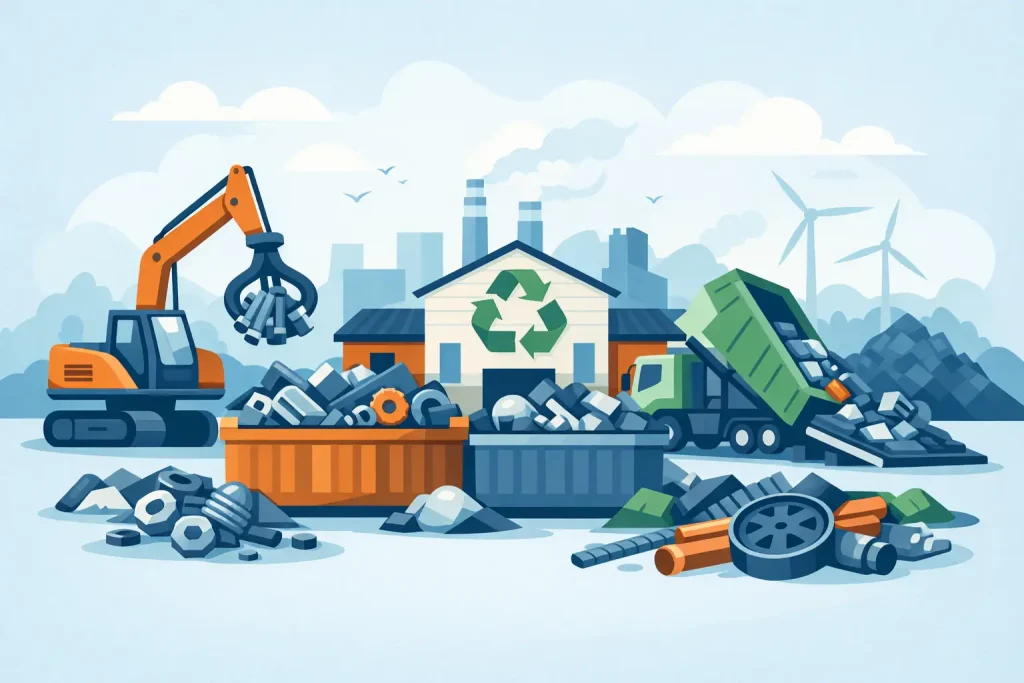
Most scrap metal recycling follows a fairly straightforward process, even if the backend handling is more technical than people realise.
Collection
The first step is collection. Metal might be dropped off at a yard or picked up directly from a home, workshop, commercial site or demolition job. For many people, collection is the make-or-break part of the service. Heavy cable, pipe, fittings and mixed metal loads are not always easy to transport, especially if you do not have the right vehicle, time or staff available.
That is why collection services are so useful. They remove the hassle, especially for people who are already busy running jobs or clearing a property.
Sorting and grading
Once collected, the metal is sorted by type. This step matters because not all scrap is worth the same amount, and different metals need different recycling pathways. Copper is typically separated from brass, aluminium, stainless steel and ferrous metals such as steel and iron.
Within those categories, metal is often graded by quality. Clean copper with minimal contamination will usually be worth more than copper mixed with plastic, rubber or soldered attachments. The same goes for brass and other non-ferrous metals. Better sorting generally means better value.
Processing
After sorting, the metal is prepared for recycling. Depending on the material, that could involve stripping, cutting, shredding, baling or compacting. The aim is to make it easier to handle and ready it for smelting or further refining.
This is the stage where scale starts to matter. A few offcuts from a household clean-up are simple enough. Mixed commercial loads from ongoing work can be more complex and need experienced handling to keep the process efficient.
Reuse in manufacturing
Once processed, the recovered metal is sent into the recycling stream and used as feedstock for new products. Recycled copper might come back as wiring, plumbing components or industrial parts. Recycled brass might be reused in fittings, valves or hardware. The metal changes form, but the material itself stays in use.
Which metals can be recycled?
A lot more metal is recyclable than people think. Copper is one of the most sought-after materials because of its conductivity, durability and resale value. It is common in electrical cable, plumbing pipe, roofing materials and air conditioning components.
Brass is also widely recycled. You will often find it in taps, fittings, valves, locks and plumbing hardware. It has solid scrap value, especially when separated cleanly from other materials.
Other recyclable metals include aluminium, stainless steel, lead, iron and steel. Some yards also take mixed metal loads, but the price and process will depend on what is in the batch. That is where it helps to work with a recycler who can assess the material properly rather than giving vague answers over the phone.
What affects the value of scrap metal?
If you have ever wondered why one pile of metal gets a stronger price than another, it usually comes down to a few practical factors.
Metal type is the biggest one. Copper and brass often attract stronger returns than lower-value ferrous metals. Quantity matters too. Larger volumes can be more worthwhile to collect and process, especially for trade and commercial clients.
Cleanliness also plays a part. Metal that is free from excess plastic, timber, insulation or general rubbish is easier to recycle and often worth more. Mixed loads are not automatically a problem, but they can take more time to sort. That may affect the final rate.
Market conditions matter as well. Scrap prices move. They are influenced by broader supply and demand, so rates can change from one period to the next. That is why a quick, current quote is more useful than relying on an old price you heard months ago.
What is scrap metal recycling for homes and tradies?
For homeowners, scrap metal recycling is often about convenience. It might be leftover pipe from a renovation, old hot water system components, damaged copper cable, or metal collected during a shed clean-out. The main goal is usually simple – get it removed properly and, if possible, receive fair value for it.
For tradies, the priorities are a bit different. Electricians, plumbers, builders and demolition crews generate scrap as part of normal work. The question is not whether scrap will build up, but how quickly. If there is no reliable collection plan, that material starts taking up space in the ute, workshop or site bin.
That is where service matters just as much as price. A fast pickup, clear communication and straightforward payment process can save more time than trying to squeeze another trip into an already full day.
Why responsible recycling matters
Not every disposal option is equal. Throwing metal into general waste means valuable material is lost, and it can create unnecessary environmental impact. Responsible recycling helps recover resources and supports a more efficient use of materials that have already been extracted and processed once.
There is also a compliance and reputation side to it for businesses. Licensed, insured recycling services give customers confidence that material is being handled properly. For commercial operators, especially those managing regular scrap volumes, that matters. You want a recycler who shows up, communicates clearly and deals with material in a way that aligns with legal and environmental expectations.
In Melbourne, where construction, renovation and trade work generate steady metal waste, practical recycling is part of running a cleaner and more efficient operation. It is not just about getting rid of scrap. It is about handling it properly from the start.
Choosing the right recycler
The best recycler is not always the one making the biggest claim. It is usually the one that makes the process easiest while still offering fair rates and dependable service.
Look for a business that explains what it accepts, offers quick quotes and makes collection simple. If you are dealing with copper or brass regularly, it helps to work with a recycler that understands those materials specifically rather than treating everything as generic scrap.
For Melbourne customers, local service coverage is another advantage. Faster pickups, simpler booking and direct communication make a real difference when you need material gone without delay. Melbourne Copper Recycler, for example, focuses on quick collection, competitive prices and responsible handling for copper and brass scrap across Melbourne.
If you are holding onto scrap because you are not sure whether it is worth recycling, the answer is usually yes – especially when the process is easy. Metal has value, space has value, and proper disposal matters. A reliable recycler helps you make the most of all three.
The easiest way to think about scrap metal recycling is this: it turns leftover metal from a problem into something useful again. If you have copper, brass or mixed metal building up, getting a quote and booking collection is often the simplest next step.