
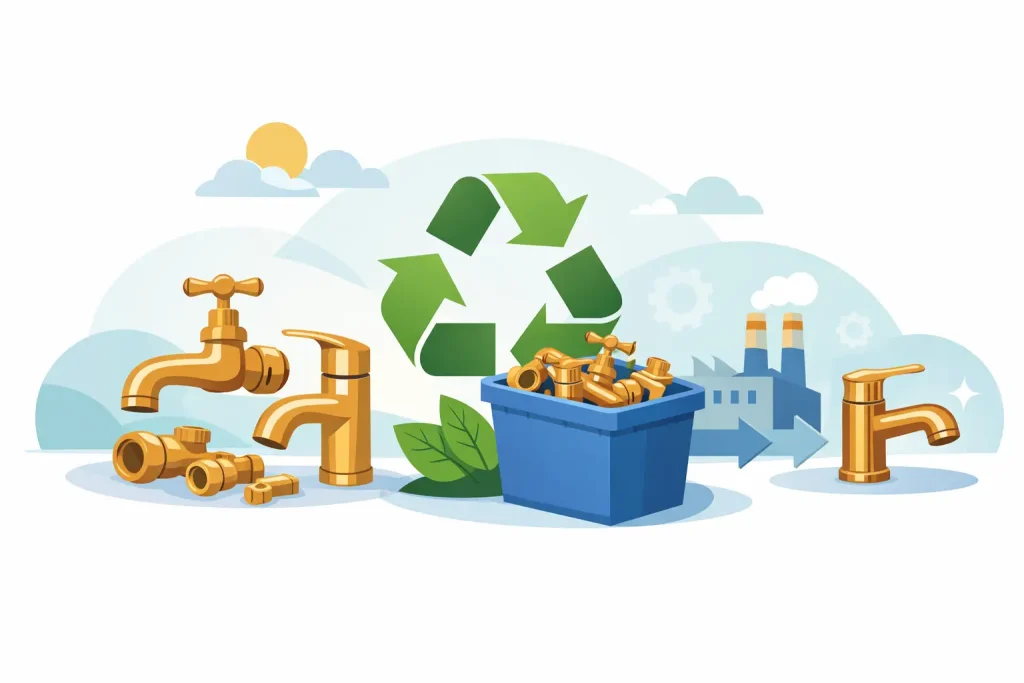
That old brass tap sitting in the shed, under the laundry sink, or in the back of the ute is not just plumbing waste. If you’re asking can you recycle brass taps, the short answer is yes. In most cases, brass taps are a valuable scrap metal item that can be collected, sorted and sent back into the recycling stream instead of ending up in landfill.
For Melbourne homeowners, plumbers, builders and demolition crews, brass taps are one of those small items that often get overlooked. They come off during bathroom renovations, kitchen upgrades, strip-outs and maintenance jobs, then get tossed into a mixed pile with other metal scrap. That can cost you money and create extra mess on site.
Can You Recycle Brass Taps at a Scrap Metal Yard?
Yes, brass taps are commonly accepted by scrap metal recyclers because brass is a non-ferrous metal with ongoing recovery value. Old taps, garden taps, mixer bodies and many plumbing fittings can usually be recycled as brass scrap, provided they are not heavily contaminated with non-metal parts.
The reason they hold value is simple. Brass is an alloy, usually made from copper and zinc, and both of those metals are worth recovering. Once collected, brass scrap can be processed and reused in manufacturing rather than relying only on newly mined material. That is better for resource recovery and better for keeping usable metal out of the rubbish stream.
There is one catch though – not every tap is 100 per cent brass. Some taps are solid brass, while others are brass-plated or mixed with stainless steel, plastic, rubber seals or ceramic cartridges. That does not always mean they cannot be recycled, but it can affect how they are graded and what price they attract.
How to Tell if a Tap Is Brass
A lot of people assume anything yellow-gold in colour is brass. Sometimes that is right, but not always. Some fittings are coated to look like brass, while others have a chrome finish over a brass body.
A quick check can help. Brass taps are often heavier than they look, and if the surface is scratched or worn, the metal underneath may show a yellow tone. A magnet also helps. Brass is generally non-magnetic, so if a magnet does not stick, that is a useful sign, though not a guarantee. Some taps also contain internal steel parts, so a partial magnetic pull does not automatically rule brass out.
For trade loads, the easiest option is usually not to overthink it. Keep taps and brass fittings separated from general waste and mixed metal where possible. A recycler can then inspect the material and sort it properly.
Common brass tap items that may be recyclable
You can often recycle standard household taps, garden taps, wall-mounted tap sets, mixer tap bodies, spindle assemblies and older decorative brass fittings. Plumbing offcuts and matching brass valves may also go in the same category, depending on their condition and composition.
If the item is attached to a sink, pipe section or bulky fixture, it may need to be separated first. The cleaner the load, the easier it is to assess and the more straightforward the recycling process becomes.
What Affects the Scrap Value of Brass Taps?
Not all brass tap scrap is paid the same way. Value depends on metal content, cleanliness, quantity and whether the taps are mixed with other materials.
Clean brass usually attracts better rates than dirty brass. In practical terms, that means taps with less attached plastic, rubber, steel, thread tape or ceramic components are easier to process. If you are dealing with a larger volume from a renovation or commercial strip-out, separating obvious non-metal parts can make a difference.
Quantity matters too. A single tap from a backyard job is recyclable, but a bucket of old taps, valves and brass fittings is more worthwhile from both a pricing and collection point of view. For plumbers and builders who generate brass scrap regularly, keeping a dedicated bin or tub for yellow metal can save time and improve returns.
Market conditions also shift. Scrap prices move with broader metal demand, so the value of brass this month may not be the same next month. That is why quick quotes are useful when you are ready to move material.
Should You Remove Handles, Washers and Fittings First?
It depends on the volume and the type of load.
If you have only a handful of old taps at home, there is no need to spend an hour dismantling every last part unless you want to. A recycler can often accept them as is and grade them accordingly. But if you have regular brass scrap from plumbing, demolition or bathroom refits, basic separation can be worth the effort.
Removing obvious plastic handles, rubber washers, braided hoses and large steel attachments helps reduce contamination. It also makes the material easier to identify on sight. The goal is not perfection. The goal is to avoid mixing valuable brass items into low-grade scrap or general rubbish.
For busy trade jobs, practicality wins. Keep brass together, keep rubbish out of the tub, and avoid throwing taps in with aluminium, stainless or insulated wire if you want a cleaner result.
Can You Recycle Brass Taps in Your Kerbside Bin?
No, brass taps should not go in your household recycling bin.
Kerbside recycling is designed for common packaging materials like paper, cardboard, glass and certain plastics and cans. Heavy metal items such as taps, valves and plumbing fittings are not suited to that system. They can damage sorting equipment, contaminate loads or simply be rejected.
If a brass tap goes into the wrong bin, there is a good chance it will not be recovered properly. Scrap metal recycling is the better option because it treats the item as recoverable metal rather than municipal waste.
That is especially important on renovation and construction jobs, where valuable metal can disappear into skip bins if no one separates it early. Once mixed with rubble, plaster, timber and general site waste, recovery gets harder and the value usually drops with it.
Why Recycling Brass Taps Makes Sense
There is the obvious financial reason – brass has scrap value. But there is also a practical and environmental reason that matters for households and businesses across Melbourne.
Brass is durable, reusable and well suited to metal recovery. Recycling it reduces the need for virgin material extraction and keeps useful metal in circulation. That supports a more efficient use of resources and cuts down on avoidable landfill.
For trades and businesses, there is also a compliance and housekeeping benefit. Old taps and fittings piled around a workshop, van or site create clutter. Getting them collected or dropped off helps keep the job moving and frees up space without sending recyclable material to waste.
Can damaged or corroded taps still be recycled?
Usually, yes. Surface wear, age, corrosion and mineral build-up do not automatically make a brass tap unrecyclable. Older taps can still contain recoverable brass even if they are no longer usable as plumbing fixtures.
The main issue is severe contamination. If a tap is heavily attached to non-metal materials, concrete, pipe sections or bulky fixtures, it may need extra processing. But worn taps, obsolete fittings and scrap from demolition jobs are still commonly recycled.
The Best Way to Handle Brass Taps on Site or at Home
If you generate brass taps only once in a while, the best move is simple – set them aside instead of tossing them in the rubbish. Keep them in a bucket, tub or crate with any other brass fittings until you have enough to recycle properly.
If you are a plumber, builder, sparkie working around strip-outs, or a business clearing old fittings, it helps to have a basic sorting habit in place. Separate brass from copper, keep obvious steel and rubbish out, and store it somewhere dry if possible. You do not need a complicated system. You just need to stop valuable scrap from getting buried in mixed waste.
For larger clean-outs or recurring scrap volumes, collection is often the most practical option. It saves loading time, avoids extra trips and keeps your team focused on the job instead of worrying about disposal.
Melbourne Copper Recycler works with households, tradies and commercial operators who want a straightforward way to move brass and copper scrap without the usual run-around. The process should be quick, clear and worth your time.
If you have old brass taps sitting around after a renovation, service job or demolition strip-out, they are worth treating as recyclable metal, not leftover junk. A few small items might not look like much on their own, but over time they add up – and keeping them out of landfill is a smart habit that pays off.